
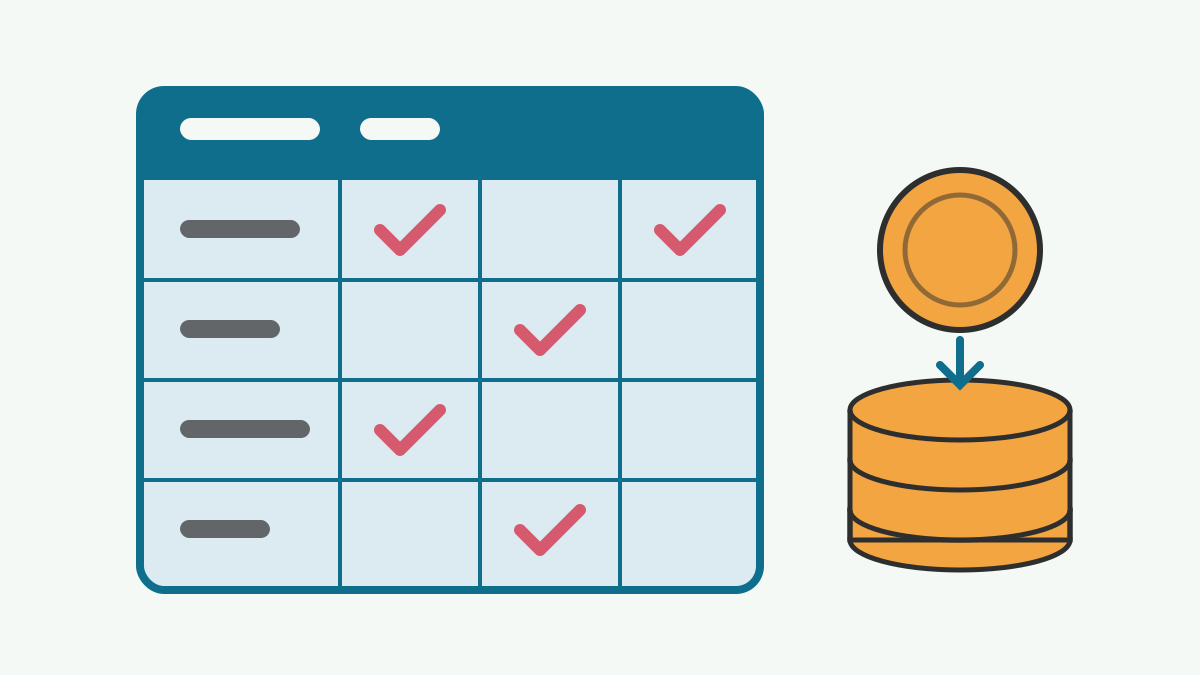
There are three common ways to give kids an allowance: a fixed amount with no strings attached, pay tied to completed chores, or a hybrid that combines a base amount with extra earning chances. Each one teaches a slightly different lesson. The right choice depends on what you most want your child to learn and how much tracking you are willing to do.
The Fixed Allowance
With a fixed allowance, a child gets the same amount on a set schedule, regardless of chores. The idea is that money management is the lesson, and household tasks are simply part of being in a family.
Strengths: It is easy to run, predictable for the child, and separates helping at home from earning. Kids can plan around a steady amount, which makes budgeting practice straightforward.
Drawbacks: It does not directly connect effort with income. Some parents worry it can feel like an entitlement, especially if the amount rises without any added responsibility.
The Chore-Based Allowance
In a chore-based system, kids earn money only for completing specific tasks. A chart lists jobs and their value, and pay is based on what gets done.
Strengths: It mirrors the working world, where pay follows effort. Children see a clear link between work and reward, and motivated kids can earn more.
Drawbacks: It takes more record-keeping. It can also backfire if a child decides a chore is “not worth it” and skips it, leaving basic tasks undone. Some families find kids begin asking to be paid for things they used to do freely.
The Hybrid Allowance
A hybrid gives a modest base amount for being part of the household, plus optional paid jobs beyond the basics. Everyday chores, like making a bed or clearing a plate, stay unpaid; larger tasks, like washing the car or raking leaves, earn extra.
Strengths: It keeps a steady income for budgeting while rewarding extra effort. It also keeps core family responsibilities from becoming transactions.
Drawbacks: It is the most complex to explain and track, and it requires parents to decide clearly which tasks fall into which group.
A Side-by-Side Look
| Feature | Fixed | Chore-Based | Hybrid |
|---|---|---|---|
| Effort to manage | Low | High | Medium |
| Predictable income | Yes | No | Partly |
| Links work to pay | No | Strongly | Somewhat |
| Best lesson | Budgeting | Earning | Both |
An illustration with round numbers
Imagine a ten-year-old under a hybrid plan. The base allowance is $5 a week. Extra jobs pay $3 each, and the child completes two in a typical week, adding $6. Weekly income is $5 + $6 = $11. Over four weeks, that totals $44. If the child saves half, $22 goes into savings each month, while $22 remains for spending. The child sees that the base covers small treats, but reaching a bigger goal faster depends on extra work.
Common Mistakes
- Changing the rules often, which makes the system feel unfair and hard to plan around.
- Paying late or forgetting, which undermines trust and the lesson of reliability.
- Rescuing kids who overspend instead of letting them wait until the next payday.
- Choosing an amount without discussing what the allowance is meant to cover.
- Paying for every task, so kids expect money for basic cooperation.
Choosing What Fits
Start by deciding the main skill you want to build. If budgeting is the priority, a fixed allowance keeps things simple. If you want to stress the value of work, chore-based pay makes that link obvious. If you want both, a hybrid offers balance at the cost of extra effort. Whatever you pick, write down the rules, agree on what the money must cover, and review the plan as your child grows.
Many families switch systems over time, starting fixed with young kids and adding earning chances later. Consistency within each stage matters more than finding a perfect formula from day one.